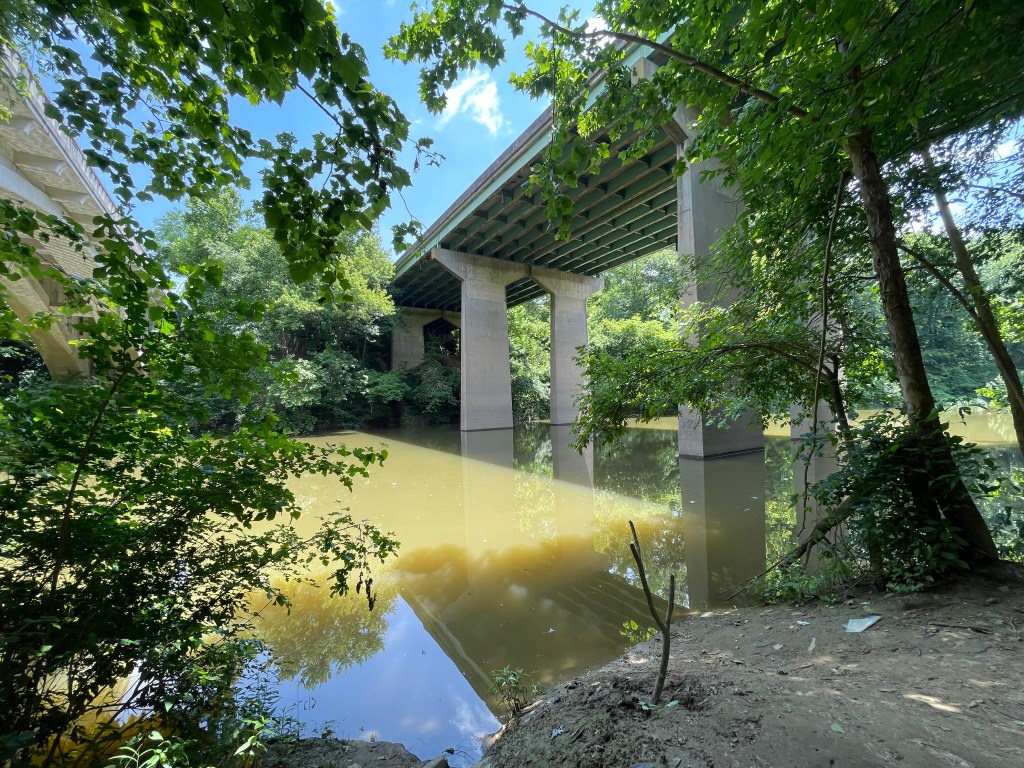
This article is based on reporting from Richard Essex of WDRB News. It is a summary of the ongoing controversy with New Albany Mayor Jeff Gahan, the death of AJ Edwards, and the Providence Mill Dam.
Between 2020 and early 2026, a small stretch of Silver Creek in New Albany, Indiana, became the center of one of the region’s most prolonged and contentious public controversies. What began as an environmental and safety effort to remove an aging low-head dam evolved into years of litigation, regulatory intervention, political conflict, and unanswered questions about public spending. At the heart of the dispute stood the Providence Mill Dam—also known as the Glenwood Park Dam—and a growing struggle between city leadership, state, and federal regulators, environmental advocates, and a community seeking accountability.
The story dates back to 2020, when River Heritage Conservancy and the Ecosystems Connections Institute obtained permits to remove the dam. The structure, long considered dangerous, was cited as both a safety hazard and an ecological barrier to fish and water flow. Removal supporters argued that low-head dams are deceptively lethal, capable of trapping swimmers and boaters in powerful hydraulic currents. Despite these concerns, the City of New Albany, under Mayor Jeff Gahan, challenged the permits in court, asserting authority over the structure and questioning whether outside organizations should be allowed to dismantle it. That legal resistance set the stage for years of conflict.
For several years, the dispute unfolded largely in courtrooms and regulatory agencies, attracting limited public attention. That changed abruptly on Memorial Day weekend in May 2024, when 14-year-old Andre “AJ” Edwards Jr. drowned near the dam. The tragedy shocked the community, transforming an abstract policy debate into an urgent public safety crisis. Family members and advocates called for immediate removal of the dam, while lawmakers and regulators renewed warnings about the dangers of low-head structures. AJ’s death became a defining moment in the controversy, cited repeatedly in later legal filings, legislative discussions, and media coverage.
In August 2024, Mayor Jeff Gahan responded by authorizing what he called “emergency maintenance” at the dam. The city closed access to the area and hired contractors to place large rocks and fill material at the base of the structure, arguing that the work would reduce dangerous water currents. City officials framed the project as an urgent safety measure that could not wait for lengthy permitting processes. Within days, however, state and federal regulators raised alarms. The Indiana Department of Natural Resources said the work lacked proper authorization, and the U.S. Army Corps of Engineers issued a formal cease-and-desist order, stating that the activity had altered federally protected waters without approval. The Corps ordered New Albany to halt construction and submit restoration plans. The DNR likewise demanded that work stop. Regulators warned that the city could face enforcement actions if it failed to comply. Rather than calming the situation, the emergency repairs triggered a new phase of confrontation. WDRB News documented repeated delays in submitting required paperwork, and by September and October 2024, federal officials reported missed deadlines. In response, a judge issued a temporary injunction barring the city and the mayor from further activity at the dam site while the dispute moved forward in court.
By late 2024, the conflict had expanded beyond environmental compliance into a broader struggle over transparency and governance. Members of the New Albany City Council publicly complained that they were not receiving clear information about how much money had been spent on the emergency project and related legal fees. Requests for invoices, contracts, and cost breakdowns were met with limited responses. The mayor’s office argued that disclosure could compromise litigation strategy. Critics countered that withholding financial details from elected officials and taxpayers undermined public trust.
In early 2025, tensions escalated further. The Indiana DNR accused the city of failing to cooperate with court-ordered discovery, including refusing to make officials available for depositions. The agency asked judges to intervene and enforce compliance. Court hearings resumed in the spring, with state attorneys arguing that New Albany had never justified bypassing the permitting process and must restore the creek to its original condition. At the same time, regional reporting began placing the Providence Mill Dam dispute within a wider pattern of low-head dam hazards across southern Indiana, intensifying political pressure for reform. Financial questions continued to surface.
In June 2025, WDRB obtained court records revealing that the emergency maintenance project had cost more than $124,000, not including all legal expenses. The disclosure came through litigation documents rather than voluntary city reporting. Council members and community advocates argued that the figure demonstrated why transparency mattered, especially since much of the work would ultimately have to be undone. The mayor’s office did not release a comprehensive accounting. Even as the legal battle intensified, New Albany pursued appeals. In the fall of 2025, the city petitioned the Indiana Supreme Court after losing in the Court of Appeals.
The lower court had ruled that the city did not own the dam and therefore lacked authority to block its removal. City attorneys argued that the decision undermined municipal control over local infrastructure. The petition extended the conflict but did not reverse the underlying regulatory pressure. A turning point came in December 2025, when New Albany settled with the Indiana DNR. The agreement resolved two major lawsuits and effectively ended the city’s resistance to dam removal. Under the settlement, New Albany agreed to remove the unauthorized rock and fill material, refrain from further challenges to removal, and comply with restoration requirements. While the U.S. Army Corps of Engineers was not a party to the settlement, federal officials continued meeting with city leaders to address potential violations of federal water laws.
With the legal framework in place, attention shifted to implementation. In early January 2026, the city received a short extension to complete rock removal. Officials reported that crews finished the work by mid-month. On January 13, 2026, contractors began physically dismantling the Providence Mill Dam. For removal advocates, the moment marked the end of a struggle that had lasted more than half a decade. For critics of the city’s handling of the issue, it raised new questions about whether the years of resistance had been worth the cost.
By February 2026, the emergency repairs had been undone, lawsuits resolved, and removal underway. Yet the controversy had not fully closed. At a City Council meeting that month, WDRB reporters publicly pressed officials for a complete accounting of taxpayer dollars spent on construction, consultants, and legal fees. More than a year after the emergency work began, no comprehensive financial report had been released. The core question—how much the dispute ultimately cost the public remained unanswered.
The Providence Mill Dam saga illustrates the risks of governing through confrontation rather than coordination. In the wake of a tragic death, city leaders acted quickly but without full regulatory alignment. Those decisions triggered years of litigation, federal intervention, and mounting expenses. Efforts to defend municipal authority ultimately gave way to court rulings affirming state oversight. Meanwhile, the absence of timely financial transparency eroded confidence among council members and residents alike.
The case also highlights broader challenges in managing aging infrastructure. Lowhead dams, once built for industry and flood control, now pose safety and environmental risks across the Midwest. Removing them often requires cooperation among nonprofits, local governments, state agencies, and federal regulators. In NewAlbany, that cooperation broke down, transforming a technical project into a prolonged political crisis.
As the dam disappears from Silver Creek, its legacy remains embedded in public records, court filings, and community memory. The death of AJ Edwards, the emergency construction that violated permits, the injunctions and appeals, and the unresolved spending questions form a cautionary narrative about how quickly a local infrastructure issue can spiral into a multi-year institutional struggle. While the water will flow freely again, the controversy leaves behind enduring lessons about accountability, transparency, and the cost of delayed consensus.
 Our World in Words and Film News