Controversy over Silver Creek Continues as Mayor Stands Apart

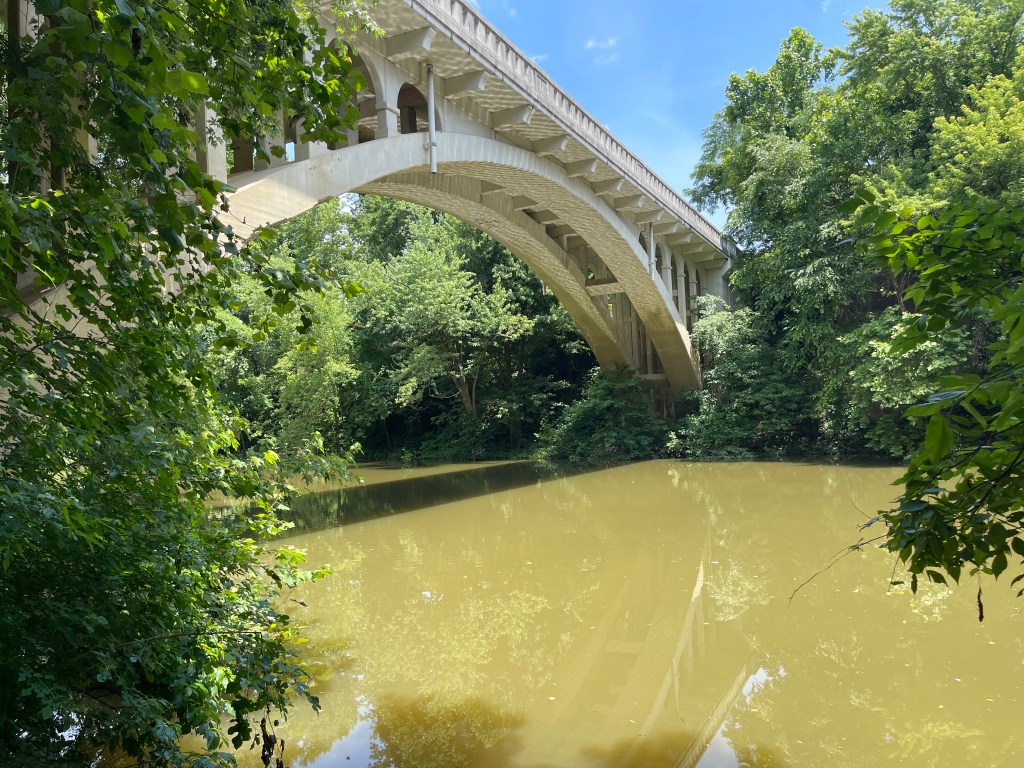
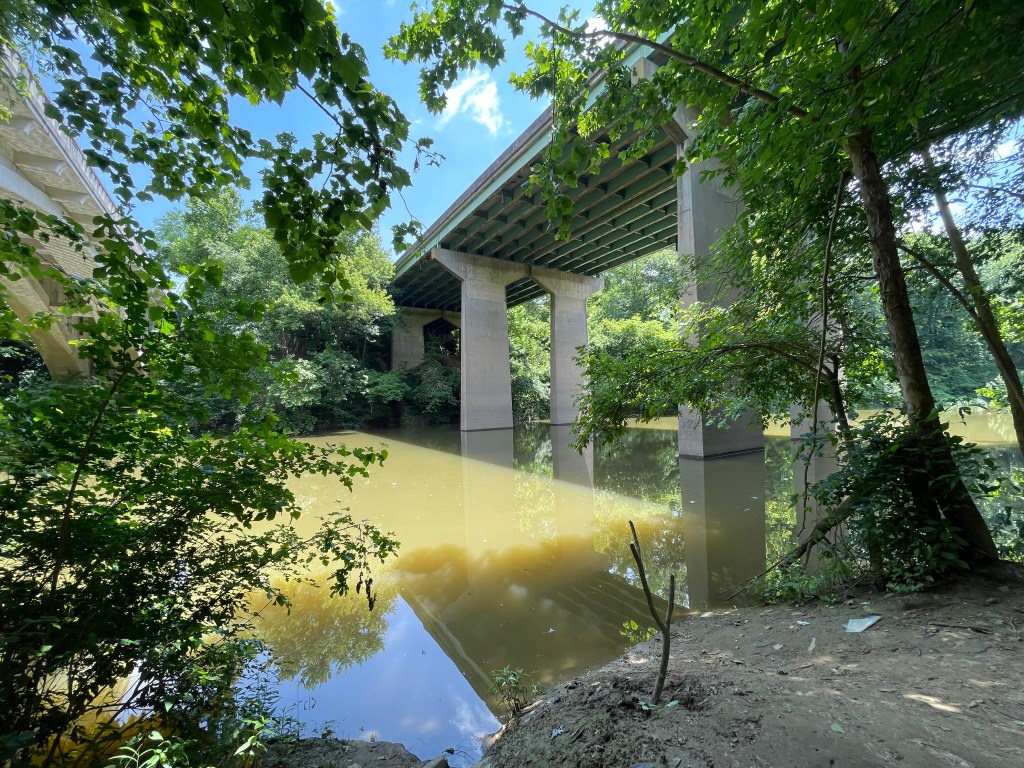
A 14-year-old boy from New Albany, Indiana, drowned while playing in Silver Creek near the Providence Mill Dam on Memorial Day weekend in 2024. The search for Andre Edwards Jr. lasted all day until his body was discovered by two local men familiar with the creek. It is believed that the dam’s undercurrent likely pulled the boy under, leading to his death. Following the death of Andre Edwards Jr. outcries from the public called to remove the low-head dam intensified. However, city mayor Jeff Gahan had already filed a lawsuit in 2023 to keep the dam in place

A statement made by the mayor on the city’s website states: “We will protect the functional, recreational, and historical value of this site,” according to Mayor Jeff Gahan. “Removing this dam can harm the functions that it currently serves, including providing a water supply during times of drought and flood protection during periods of heavy rain. It will also hurt the recreation provided by the dam, reducing the number of days suitable for fishing, kayaking, and swimming. And finally, the removal of the dam will hurt the historical value of the site, erasing the history of the people who used and still use this site today. The people of New Albany deserve to have input before a local site is destroyed by out-of-county entities.”

Former New Albany City Councilman, Josh Turner. Media by Chris Denny.

Since the initial suit, Mayor Gahan ordered a contractor to dump hundreds of tons of rock at a cost of $124,063.70 to the taxpayers of the City of New Albany without obtaining permits or approvals. The Indiana Department of Natural Resources instructed the city to halt its controversial repair work, and the Army Corps of Engineers issued a Cease and Desist order to stop the ongoing activities. “Serve as a formal notification directing the parties to cease and desist from further activity and requires the parties to begin taking steps directed at restoring the site,” in a statement made by the Army Corps of Engineers. They ordered that the fill material dumped in the creek must be removed by the responsible parties and restored to its original condition.

In a 2024 press release, the River Heritage Conservancy (RHC)—which received a permit in 2021 from the Indiana Department of Natural Resources to demolish the low-head dam, along with a $75,000 state grant—disputes claims made by the Mayor’s Office. The Mayor’s Office had stated, “There is nothing historic about Glenmill Park, also known as the Providence Mill Dam,” citing research indicating that no remnants of the original mill remain and that the site functioned as a recreational area for swimming and fishing at nearby Glenwood Park in the early 1900s. The RHC counters this, emphasizing that the archaeological and historical studies required for dam removal “showed zero importance in either of these two areas, as to the dam or its use.” The RHC also notes that removing the dam would come at no cost to city taxpayers if funded through federal and state sources, as well as private donations, unlike the public funds already spent to preserve the dam.

The city was denied a permit by the Indiana Department of Natural Resources back in 2023.  The failure was due to the city’s application both attempting to satisfy the conditions of the Indiana Flood Control Act and simultaneously violating the provisions of the Act itself.

The controversy over the dam began in 2021 when the organization behind Origin Park received a permit from the Indiana Department of Natural Resources to remove the low-head dam near the entrance to Silver Creek Landing, an area where individuals with canoes and other small watercraft can launch into the creek. Origin Park will be a 430-acre park connecting the Cities of Clarksville and New Albany, featuring bike and walking paths and enhanced access to the Ohio River. The City of New Albany filed a lawsuit to halt that process. The Mayor stated he wanted to see the area preserved, with plans to make modifications to the area itself, instead of removing the dam. 

The controversy of the entire event leading up to now is as follows:

In 2021, the State of Indiana granted River Heritage Conservancy (RHC) (through its contractor) granted a permit to remove the Providence Mill Dam

November 16th, 2023, the City of New Albany sues RHC and its contractors to block the removal of Providence Dam.

In May 2024, 14-year-old Andre Edwards Jr. died after being caught in the dam’s hydraulic current forcing him underwater.

In June 2024, the Mayor authorized rock and gravel to be placed to eliminate “hydraulic roller effects” without waiting for required permits from the state.

On August 7-8, 2024Indiana DNR ordered the city to stop unpermitted work on Providence Mill Dam and issued an infraction under the Flood Control Act for making modifications to the dam. Also, the U.S. Army Corps of Engineers authorized and issued a cease-and-desist order for violations of the Rivers and Harbors Act and the Clean Water Act and ordered the fill placed by the city to be removed.

On August 13th, 2024, the Army Corps set a deadline for the City to submit plans to restore the Providence Mill dam site.

In early September of 2024, the City of New Albany applies for retroactive permits from both the Indiana DNR and the Army Corps of Engineers, with ACE denying the application because of ongoing litigation and the Indiana DNR also suspending their review pending the outcome of the litigation currently going on. 

September 23, 2024, The city of New Albany misses the deadline and doesn’t submit the required plans for the restoration of the site.  

As reported by WAVE 3 News on Oct 26, 2024, New Albany Mayor Jeff Gahan refuses to release the cost of legal fees over the Providence Mill Dam to the New Albany City Council.

June 12, 2025, WDRB, through a records request to the Floyd County Court, uncovers that the city of New Albany has paid out a total of $124,063.70.

A statement from someone at the Mayor’s Office said that the dam has been restored to its original condition, according to WDRB News.

As of this report, the levels in Silver Creek are still too high to verify the city’s statement. 

State Representative Ed Clere left comment concerning the multi-year problem the taxpayers are now on the hook for because of the actions taken by Mayor Jeff Gahan concerning the Providence Mill Dam.

“State Representative Ed Clere co-sponsored Senate Enrolled Act 477, which passed unanimously and became law earlier this year.

The legislation will facilitate the removal of remaining low-head dams, including the Providence Mill Dam.

“AJ’s death could have been prevented,” Clere said. “Had the dam’s removal not been held up by the mayor — at great expense to taxpayers — it wouldn’t have been there, and AJ would be alive. The legislation I co-sponsored will help prevent additional deaths throughout Indiana, while also improving environmental conditions, and promoting the use and enjoyment of waterways.”

Photo by Chris Denny

Have a tip on this story? Email ourworldinwordsandfilm@gmail.com

Ongoing Festivities Bring More Magic to the Kentucky Derby Season

GE Appliances Kentucky Derby Festival mini & Marathon

The Kentucky Derby mini and full Marathons were held this morning in downtown Louisville, Ky. These races are part of the two-week Kentucky Derby Festival that leads up to the 151st Kentucky Derby. Participants from both local areas and out of state gathered to run in this now-popular event, attracting as many as 10,000 runners of all ages, runners and wheelchair athletes alike. The mini-marathon covers 13.1 miles, while the full marathon extends to 26.2 miles. Runners in the mini-marathon have four hours to complete the course, whereas full-marathon runners have six hours, with a stopping point at nine miles for runners to rehydrate themselves. 

The race is just one of 70 events hosted by the Kentucky Derby Festival in anticipation of the historic Kentucky Derby, which is run on the first Saturday in May. This event attracts thousands of spectators from around the world to celebrate in the rich tradition of horse racing, pageantry, and southern hospitality, a part of Louisville’s history and legacy.

L&N Federal Credit Union Great BallonFest 2025

The Kentucky Derby mini and marathon is ranked among the top 100 races by USA Track and Field. The race is certified by the USATF ( a national governing body that sets standards and certifications for race courses), making it a Boston Marathon qualifier, and is known as the “flattest” Boston qualifier for those aiming to compete in this world-class event. The next Boston Marathon will take place on April 20, 2026. 

All Media by Chris Denny

Race History

According to the Kentucky Derby Festival, the race started as a small local road race 50 years ago. Growing in popularity, the number of participants increased to 3,500 by 1979, and by 2024, up to 10,000 came to run. The course has seen many changes throughout the race’s history, with runners traversing through old historic neighborhoods, city landmarks, and passing through historic Churchill Downs itself. Those who come to run in the mini and marathon return to run the race yearly, favoring the track course, the people of the city who come to cheer them on, how well the race is organized, and the warm welcome they experience from the people of Louisville before, during, and after the race.

7th grader “Gabriel” ran this year’s race with his father beating him by one minute. Still somewhat out of breath, Gabriel said, “My pace was at 6:53, my time was at 1:30:09.”

Shelbi Bishop ran her first half marathon this year in 2:33:13. Reflecting on her experience in the race, she stated, “I’m glad I chose the KDF as my first half marathon because everyone in the crowd kept cheering all the runners on, and it made me feel even more proud of myself than I already am.” 

Continue reading “Ongoing Festivities Bring More Magic to the Kentucky Derby Season”

Horse Racing’s Crowning Achievement Comes Back To Churchill Downs in 2025

istock.adobe.com
Media by Chris Denny

The Kentucky Derby is here! Known as the “Fastest Two Minutes in Sports,” The “Greatest Two Minutes in Sports,” or “The Most Exciting Two Minutes in Sports,” it has set the standard for tradition and pageantry, and elegance since 1875, and was established by Meriwether Lewis Clark Jr., grandson of the famed explorer William Clark

Clark traveled to Europe, where he met with leading figures in the racing industry at the time and conceived the idea of starting a jockey club to sponsor races. With the help of his uncles, John and Henry Churchill, a racetrack was established,and the first Derby (a term in the industry used to describe a race for three-year-old horses) was run on May 17th, 1875, with Aristides rode by jockey Oliver Lewis establishing two firsts in the races history as the first horse and the first African American jockey to win the now famed Kentucky Derby. 

More Derby Firsts

The Kentucky Derby has long been a stage for historic firsts, none more groundbreaking than in 1970, when Diane Crump became the first female jockey to ride in the storied race. Already a trailblazer with 228 career wins, Crump made headlines by winning the opening race on the undercard before saddling up on Fathom for the main event. She finished 15th in a field of 17, but her presence alone marked a pivotal moment in racing history.

For horses: Secretariat, also known as Big Red and considered to be the greatest racehorse of all time and widely regarded as one of the most legendary horses to compete in the Kentucky Derby, holds the record for the fastest time in the race’s history with an unbeaten 1:59.40.  Another legendary name in horse racing, Seattle Slew made history in 1977 by becoming the first horse to win the American Triple Crown while remaining undefeated.

Continue reading “Horse Racing’s Crowning Achievement Comes Back To Churchill Downs in 2025”

Record Flooding in the Ohio Valley

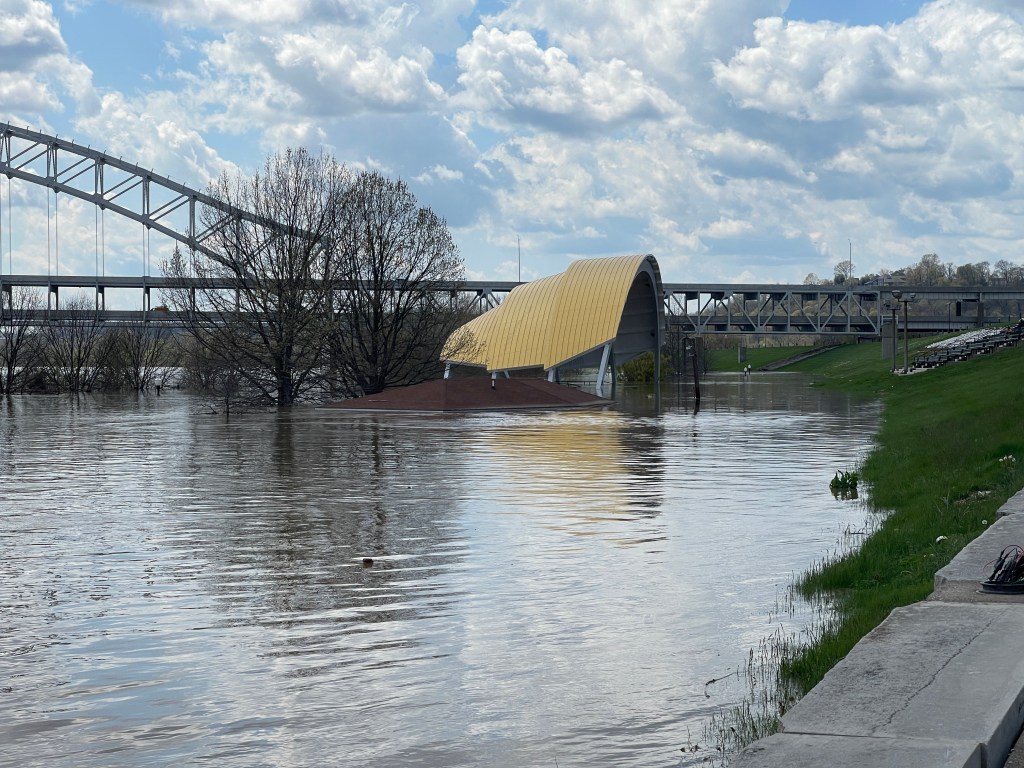
Cities in Indiana and Kentucky have experienced record flooding over the last couple of weeks just after a tornado outbreak hit several cities in Louisville, Ky, and surrounding communities.  A storm system that stretched from the Gulf of Mexico into the upper Midwest stalled, sending heavy rains into Indiana, Ohio, and Kentucky.  

The Ohio River rose to record levels not seen since 1997, reaching 36.63 feet near downtown Louisville, making it the eighth highest on record. The flood of 1937 still remains the worst flood event in recorded history for the Ohio River, with an estimated 350 dead and nearly 1,000,000 homeless, according to the National Weather Service. 

The flooding event submerged or partially submerged towns that border the river, including the cities of Utica, Indiana, and Westport, Kentucky. Many of the community’s residents packed up and left ahead of time before flooding became dangerous. Residents in these two cities are used to flooding in Ohio, and we’re well prepared to leave.

Continue reading “Record Flooding in the Ohio Valley”